
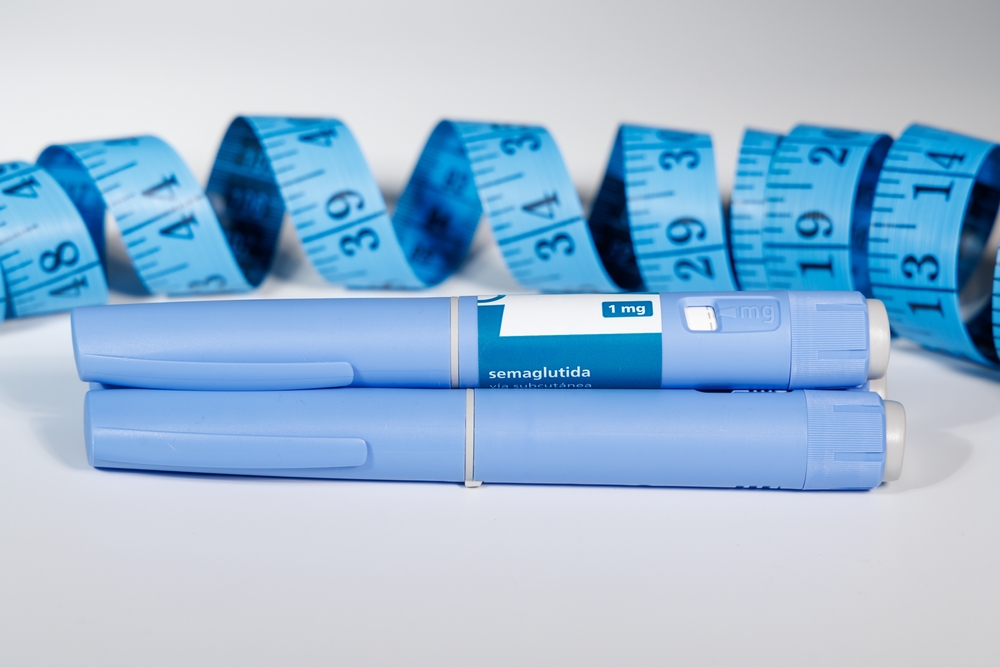
GLP-1 medications such as semaglutide and tirzepatide have reshaped medical weight management, helping many people achieve meaningful weight loss when diet and exercise alone haven’t worked. As these treatments grow in popularity, many patients are now asking:
Is microdosing GLP-1 medications a better option than full-dose therapy for long-term, sustainable weight loss?
Let’s break down the differences, benefits, and limitations of each approach based on current clinical evidence and expert guidance.
How GLP-1 Weight-Loss Medications Work
GLP-1 (glucagon-like peptide-1) receptor agonists mimic naturally occurring hormones that regulate appetite, digestion, and blood sugar. These medications help by:
- Reducing hunger and food cravings
- Slowing gastric emptying so you feel full longer
- Improving insulin sensitivity
- Supporting metabolic balance
Clinical data consistently shows that GLP-1 medications produce significant weight loss when used at therapeutic doses under medical supervision. A large analysis published in Epic Research comparing weight-loss outcomes among GLP-1 medications found that tirzepatide and injectable semaglutide were associated with the greatest average weight reduction.
Full-Dose GLP-1 Therapy: The Evidence-Based Standard
Full-dose GLP-1 therapy follows FDA-approved dosing protocols established in clinical trials. These protocols gradually increase the dose over time to reach therapeutic levels proven to deliver consistent metabolic effects.
For example:
- Semaglutide for weight loss is typically titrated to 1.7–2.4 mg weekly
- Tirzepatide may be titrated up to 10–15 mg weekly
Research published in PubMed-indexed clinical trials evaluating tirzepatide dosing shows that higher therapeutic doses were associated with greater and more sustained weight loss.
Benefits of Full-Dose GLP-1 Therapy
- Strong clinical evidence supporting meaningful and sustained weight loss
- Predictable outcomes based on established dosing schedules
- Cardiovascular and metabolic benefits, supported by findings reported in Reuters’ coverage of GLP-1 cardiovascular risk reduction studies
Potential Drawbacks
- Increased risk of gastrointestinal side effects at higher doses
- Requires close medical monitoring and gradual titration
- May involve higher medication costs depending on coverage
Microdosing GLP-1 Therapy: A Lower-Dose Alternative
Microdosing GLP-1 medications involves using doses significantly lower than those studied in FDA-approved trials. This approach has gained attention among individuals looking for a gentler introduction to medication-assisted weight loss.
Supporters of microdosing often cite:
- Reduced nausea and GI discomfort
- Gradual appetite control
- Easier integration into a holistic wellness lifestyle
Some functional medicine discussions, including educational articles on GLP-1 microdosing and hormonal health, describe microdosing as a patient-tolerance-focused approach rather than a results-maximizing strategy.
Important Limitations of Microdosing
Despite growing interest, microdosing has notable limitations:
- Lack of large-scale clinical research: According to Cleveland Clinic’s overview of GLP-1 microdosing, there is currently no strong evidence showing microdosing produces the same weight-loss outcomes as full-dose therapy.
- Off-label use: Microdosing is considered experimental and should only be done under medical supervision.
- Uncertain long-term results: Medical experts caution that doses that remain too low may never reach the therapeutic threshold needed for significant metabolic change, as discussed in clinical myth-busting articles on GLP-1 dosing.
Which Option Is Better for Sustainable Weight Loss?
The right approach depends on your health history, goals, and tolerance — but evidence strongly favors full-dose therapy for long-term outcomes.
Full-Dose GLP-1 Therapy May Be Best If You Want:
✔ Research-validated weight loss
✔ Long-term metabolic improvements
✔ A structured, evidence-based treatment plan
Microdosing May Be Considered If You:
✔ Are highly sensitive to side effects
✔ Need a slower introduction to medication
✔ Are working closely with a provider to adjust dosing carefully
That said, full-dose GLP-1 therapy currently has far stronger evidence for sustainable weight loss than microdosing alone.
Why Medical Guidance Matters
Whether starting with microdosing or transitioning to therapeutic dosing, GLP-1 medications should always be used with professional oversight. Individualized care allows providers to manage side effects, adjust dosing, and support long-term success.
At Love Medical Spa, we provide personalized, medically supervised programs designed for sustainable results. Learn more about our approach to GLP-1 Weight Management at Love Medical Spa.
Explore Your Options at Love Medical Spa
Located in NE Portland, Love Medical Spa blends evidence-based medicine with a holistic, patient-centered philosophy. Whether you’re exploring GLP-1 therapy for the first time or refining your approach, our team is here to guide you every step of the way.